Inflammation of the prostate tissue, unfortunately, is not an uncommon phenomenon for modern men.Prostatitis most often occurs in patients older than 40 years, but it is possible to develop this disease at an earlier age.With careful attention to his health and timely contact with a urologist, a man can fully cope with the problem and avoid many complications.In order to detect the disease in time, you need to know what are the characteristic symptoms of prostatitis.The diagnosis of this disease is well established in modern medicine and does not pose a problem.Every urologist knows how to cure prostatitis, which methods to use in each specific case.Complex treatment, including various methods, brings the greatest success.
Causes and provoking factors of prostatitis
What is prostatitis?This is inflammation of the prostate tissue, which can develop due to infection or congestion.The stimulus for the appearance of prostatitis and the provoking factor can be certain diseases or lifestyle characteristics.Age-related changes after 40 years without adequate preventive measures quite quickly lead to stagnation in the pelvic organs and the development of prostate inflammation.It has been observed that prostatitis is most often diagnosed in men who belong to certain groups.
Risk groups are older men who lead a sedentary lifestyle and abuse alcohol.The risk of developing prostatitis is also increased in those who have overcome urological infections, have intestinal problems, especially suffer from constipation.If a man belongs to one of these groups, then he should undergo diagnostic examinations more often, because prostatitis is diagnosed twice as often in members of the risk group.
Symptoms of prostatitis
Although the manifestations of prostatitis can be similar to other diseases of the genitourinary system, there are still signals from the body that should alert a man and become a reason to go to the doctor.It is best to do it as soon as there is the slightest disturbance in men's health, then the treatment will be easier and more effective.To understand how to treat prostatitis in men, you need to have an idea about the manifestations of the disease.
The main signs of prostatitis
- Urinary disorders
- Problems in the sexual sphere,
- Pelvic pain.
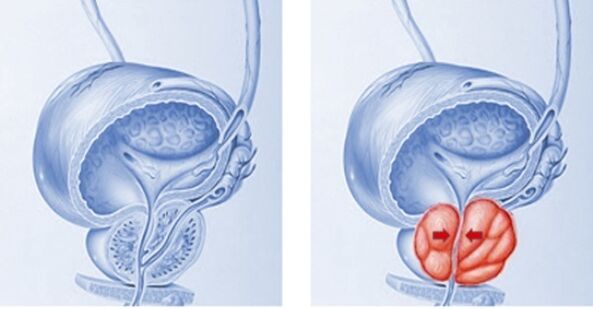
Why do these symptoms occur?This is due to the changes that occur in the prostate tissues.Due to inflammation, it increases and begins to exert pressure on the urethra, narrowing its lumen.Such processes lead to problems with urination and deterioration of urine flow.As inflammation develops, sexual disorders also increase, which also gradually worsen.
When should the alarm sound?The sooner the better, i.e. at the first signs of prostatitis:
- difficulty urinating,
- there is pain in the pelvic region.
Then there are other signs:
- discomfort during bowel movements,
- the appearance of blood spots in the urine,
- urethral discharge,
- worsening erection,
- weakening of orgasm.
Forms of prostatitis and their characteristics
Prostatitis can be infectious and stagnant, as well as acute and chronic.The infectious form can be acute and chronic, and the congestive form is usually only chronic.Acute symptoms are always pronounced, cause concern in men and often become a reason for consulting a doctor.As for the chronic disease, it develops gradually, the symptoms of prostatitis increase slowly.For this reason, men in most cases come to the urologist when the disease is already in an advanced stage, and some unpleasant complications may have appeared.
Infectious prostatitis is most often caused by bacteria, but viruses and fungi can also lead to inflammation of the prostate.Where does the infection come from?In most cases, from the patient's urinary tract itself.Cystitis or urethritis often lead to the spread of infection to the prostate.Almost any source of infection in the body with the deterioration of immunity and the presence of provoking factors can cause inflammation of the prostate.
Symptoms of acute prostatitis
- Difficulty and pain when urinating,
- Frequent urge to urinate,
- Groin pain
- Weakening of erection
- rise in temperature,
- General weakness
- Discharge from the urethra.
The general condition of the body suffers noticeably, so acute infectious prostatitis is difficult to miss.If the cause is a bacterial infection, then a viscous yellowish discharge from the urethra appears.They appear both during urination and during the act of defecation, that is, when straining.
The disease begins acutely with obvious symptoms and goes through the following stages:
- catarrhal,
- follicular,
- parenchymal,
- abscessation.
The catarrhal stage is an inflammation in which the individual lobules of the prostate are affected and the first urination disorders are observed.Due to tissue inflammation, their swelling occurs, which leads to stagnation of secretions in the follicles of the gland and the progression of inflammation.
After that, the prostatitis disease moves into the next, follicular, stage and is followed by focal suppuration of the prostate lobules.The main symptoms are pain in the perineum, groin, significant problems with urination, body temperature up to 38°C.
If the disease is not stopped at this stage, then the process spreads to a large number of prostate lobules and to its parenchymal tissue.This is the parenchymal phase.It is followed by fever, fever, the temperature rises to 39°C.The patient suffers from severe pain in the groin and perineum, urination is frequent and painful.At this stage, a dangerous complication can develop, such as acute urinary retention, which requires emergency help.
With further development of the disease, prostatitis can become dangerous.When small abscesses join together, an abscess is formed in the prostate.It may open, and pus will flow into the bladder, urethra, and rectum.It is accompanied by severe pain, dysfunction of the pelvic organs, suppuration of their tissues and the threat of sepsis.
Characteristics of chronic prostatitis
If acute prostatitis is not treated in time, there is a high risk of it becoming chronic.Then the disease progresses slowly, without reminding itself for a while, but periodically there will be periods of deterioration.It is possible that the symptoms of prostatitis will appear constantly, but not as strongly as in the acute form of the disease.
The second and most common cause of chronic prostatitis is congestion of the prostate and pelvic organs.Venous stagnation, which impairs blood flow and organ tissue nutrition, and prostate secretion stagnation, which reduces its functionality, are also dangerous.
Symptoms of the chronic form
- Pain that can be felt in the abdomen, epididymis, perineum, rectum,
- Painful erection
- Frequent trips to the toilet
- painful urination,
- Decreased sexual desire
- Difficulty with ejaculation
- In addition to bacterial causes of the disease, discharge from the urethra is present.
Prostatitis disease is called insidious.The departure of the urologist at an advanced stage is not always evidence of a person's inattention to his health.Prostate inflammation can last for years without clinical manifestations or noticeable symptoms, and at some point, when it is exposed to a provocative factor, all manifestations develop very quickly.
Prostatitis pain
The prostate itself does not hurt, but nerve endings emerge from it that react to the inflammatory process.The position of the prostate and nerve pathways is such that pain impulses diverge through the pelvic organs, so pain can be felt in different places.
Localization of pain in prostatitis
- Lower abdomen
- sacrum,
- scrotum,
- Groin.
The nature of painful sensations depends on the intensity, prevalence of the process, as well as on the characteristics of the human body.In some cases, even a slight inflammation can cause quite severe pain in the patient, in others, a person barely feels it even with an intense inflammatory process.In any case, if no measures are taken to treat the inflammation, it will progress and the pain will gradually increase.The pain syndrome can be so intense that a person cannot live in his usual rhythm.In such cases, urgent measures are required.Various factors can contribute to increased pain:
- physical activity,
- excessive sexual activity,
- abstinence.
The nature of pain in prostatitis is similar to pain in urethritis, cystitis or osteochondrosis, so you need to undergo an examination to make a diagnosis.Hormones play a significant role in the body's response.A high level of testosterone acts as a kind of pain reliever, so men of an active age may not feel the manifestations of the disease.
Problems with urination
Difficulty urinating always accompanies prostatitis.This symptom is present in acute and chronic form, both in infectious and congestive inflammations of the prostate.
How are urination disorders manifested in prostatitis?
- The stream of urine becomes weaker
- To initiate the act of urination, you must strain,
- There is a frequent urge to urinate, which may be painful,
- Possible pain and burning during urination,
- After going to the toilet, painful pain in the perineum is possible,
- Stagnation of urine with severe narrowing of the urethral lumen.
Causes of problems with urination due to inflammation of the prostate
- The relative position of the prostate and urethra,
- Changes in tissues
- Disorder of nerve conduction in the pelvic area,
- Deterioration of bladder function.
One of the reasons for urination problems lies in the anatomical structure of the male genitourinary system.The prostate covers the urethra, and even a mild inflammatory process leads to narrowing of the urethra, because the prostate swells and increases in volume.Manifestations of such disorders can be of different intensity, from a barely noticeable weakening of urine to painful ones that require straining to urinate.
If the disease persists for a long time, scarring-sclerotic tissue changes occur.They interfere with the normal flow of urine, which leads to disorders.
Scar-sclerotic processes can cause not only the creation of mechanical obstacles to the outflow of urine or the deterioration of peristalsis of the urinary tract, but also the disruption of innervation.Nerve impulses transmitted from the bladder cannot fully pass through the damaged tissue.This is why there is a "confusion": either there is a false urge to urinate, or, on the contrary, the man does not feel that his bladder is full.It is possible to stop the act of urination even before the bladder is empty.
All the above-mentioned changes lead to stagnation of urine, deterioration of its outflow, change in sensitivity of this organ and weakening or, conversely, strengthening of its muscle tone.A fairly common disorder in prostatitis is the so-called overactive bladder.What happens in such an organ?A high pressure is created in it, even when it is only slightly filled.Because of this, an impulse enters the brain that turns into the urge to urinate.With an overactive bladder, these urges can be so strong that they can lead to urinary incontinence.Of course, such situations do not happen too often;they are caused by the gradual development of the disease and the lack of appropriate treatment.Incontinence usually occurs in old, advanced forms of chronic prostatitis.
Sexual disorders
They perceive problems that occur in men in the sexual sphere more acutely than other manifestations of prostatitis.In the acute form, the disease passes rather quickly as soon as the patient recovers.With chronic inflammation of the prostate, sexual dysfunctions often become permanent and difficult to cope with.
Manifestations of sexual disorders
- Light discharge from the urethra,
- Blood in semen
- Decreased libido
- Decreased sperm quality, which can lead to infertility,
- Painful erection or ejaculation
- Decreased intensity of orgasm or its absence,
- Premature ejaculation
- Impairment of potency to the complete absence of erection.
Why is this happening?How are prostatitis and male sexual functions related?The main causes of problems in the sexual sphere in prostatitis are disorders in nerve conduction and hormonal balance caused by inflammation and damage to organ tissue.
Nerve conduction disorder
Prostate receptors that send appropriate impulses are responsible for erection and ejaculation.Advanced male prostatitis leads to damage to the tissue of the gland, scars are formed on its surface that prevent the receptors from conducting impulses as before.Because of this, the erection can be reduced, problems with ejaculation can occur, and the man no longer feels the pleasure of sexual intercourse so clearly.If there is a significant swelling of the prostate due to the overflow of blood into the pelvic organs during sexual intercourse, there may be too much pressure on the nerve plexuses.This leads to pain during erection or ejaculation.
Hormonal imbalance
The prostate in men is an organ that regulates the hormonal balance and is responsible for the production of testosterone.In addition, it converts this hormone into a more active form - dihydrotestosterone.As you know, a normal concentration of testosterone ensures the level of libido and the possibility of sexual intercourse, i.e. erection.If inflammation of the prostate occurs, its functions are impaired, and thus the production of male sex hormones is reduced, which is manifested by a decrease in a man's sexual abilities.
The severity of the disorder largely does not depend on the degree of tissue damage, but on the male's sexual constitution, and the possibility of recovery depends on his attitude and cooperation with the doctor.
How to make a diagnosis
How to properly treat prostatitis, as well as the results of treatment, depend on the correct diagnosis.It is impossible to diagnose prostatitis without instrumental studies.The fact is that its symptoms and manifestations are similar to those of other diseases of the prostate and urinary tract.In some cases, it is necessary to carry out a differential diagnosis even in diseases of the spine.
Diagnostic measures
- Taking an anamnesis during a consultation with a urologist,
- Digital rectal examination,
- laboratory tests,
- transrectal ultrasound of the prostate,
- urodynamic studies,
- determination of PSA,
- urethroscopy,
- cystoscopy,
- Prostate biopsy.
The list of studies is quite large, but it is not always necessary to carry out a complete set.
How is the patient examined?
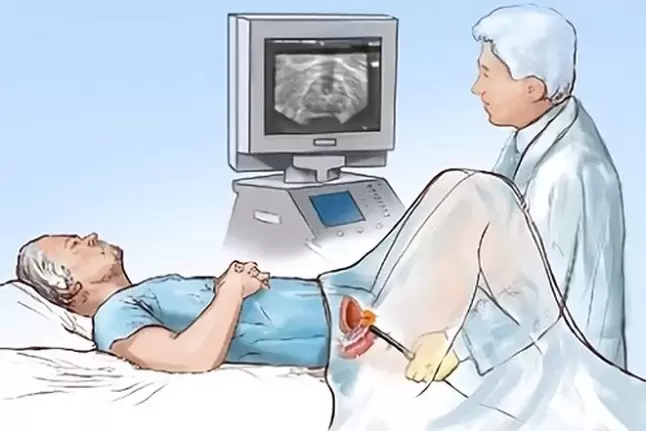
Usually men who come to a urologist are most interested in how to cure prostatitis quickly.It depends on the reasons and wishes of the patient himself.At the first examination with a specialist, a detailed medical history is collected, and then a digital rectal examination must be performed.It will enable determination of pain in the prostate area, its size and swelling.Then TRUS (transrectal ultrasound) and laboratory tests are prescribed.Only after a series of procedures can an expert understand how to cure prostatitis in a particular case.
What does TRUS provide?
- It reveals the exact dimensions of the prostate and its individual parts,
- It enables a detailed examination and assessment of the condition of soft tissues and seminal vesicles.
What tests should be done
- General analyzes of urine and blood,
- Bacteriological culture of urine,
- Urethral swab
- Prostate secretion.
If necessary, other types of studies are also prescribed.In the case of pronounced urination disorders, urodynamics determination is necessary to assess bladder functions.If prostate adenoma or tumor development is suspected, a blood test for the tumor marker PSA (prostate specific antigen) and a biopsy of the gland tissue for histological examination are performed.
Treatment of prostatitis
Modern medicine offers numerous options for the fight against prostatitis.The most effective treatment of prostatitis in men is based on an integrated approach, which includes several methods.Specific methods of treatment of prostatitis depend on the stage, time of onset of the disease, degree of its prevalence and severity of symptoms, as well as on the individual characteristics of the organism in each specific case.As a rule, the entire treatment is carried out by a urologist on an outpatient basis.In rare cases, if there are dangerous complications, the patient is hospitalized.
Treatment methods
- medicines,
- massage,
- Therapeutic gymnastics,
- surgery,
- Minimally invasive methods of destroying inflamed tissues and dilating the urethra.
Drug treatment
The first question that arises after the examination is how to treat prostatitis in men.First of all, they turn to drug therapy.It is prescribed according to the causes of prostatitis and existing symptoms.

Medicines for the treatment of prostatitis:
- Antibacterial agents (for bacterial prostatitis),
- Antiviral drugs (for the viral form),
- non-steroidal anti-inflammatory drugs,
- alpha blockers,
- painkillers,
- decongestants,
- Antipyretic.
Many drugs for the treatment of prostate inflammation are prescribed in the form of suppositories.This form allows you to achieve a faster effect.In no case should you prescribe drugs yourself, because every drug has contraindications and side effects that only a specialist can fully take into account.
Massage
This method of treating prostatitis is used as an additional method when using drug therapy.It enables faster treatment of prostatitis and much better results.Internal and external massage methods are used.
The main and most effective way of prostate massage is digital rectal stimulation.The specialist performing the massage inserts a finger into the patient's rectum, feels the prostate and performs massage movements.
Benefits of massage:
- Improved blood supply,
- gland stimulation,
- Removal of stagnant secretions.
Thanks to prostate massage, the effect of drugs is enhanced, and recovery is much faster.
External massage does not involve penetration into the body;massage movements are performed through the skin of the perineum.This procedure is a good prevention of prostatitis in men, but its effectiveness is not enough to treat the disease.
Therapeutic gymnastics
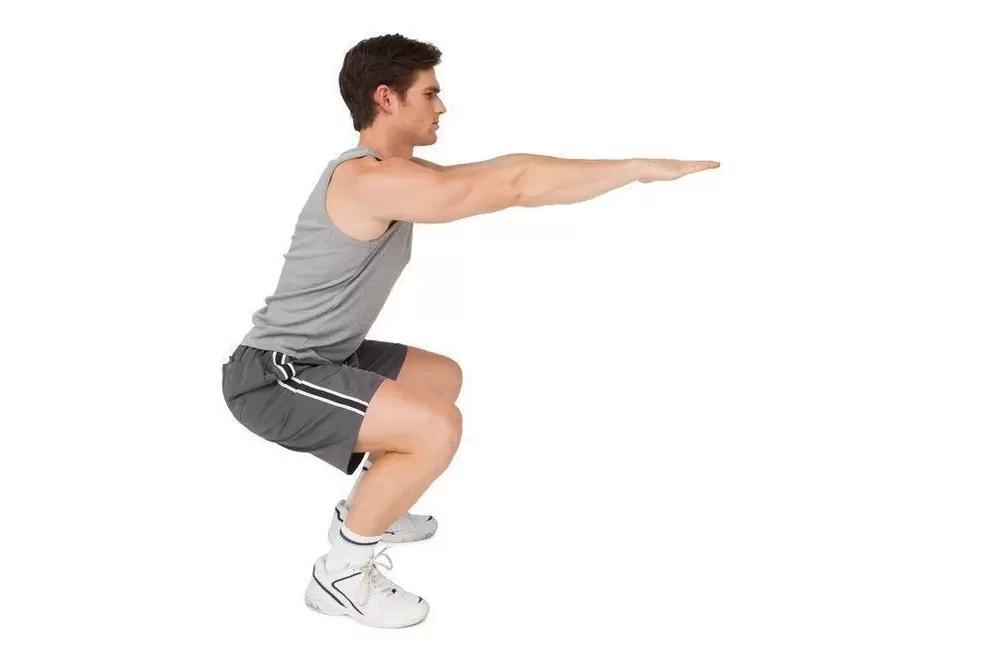
How can prostatitis be treated with therapeutic exercises?When performing exercises, there is an inflow of arterial blood into the prostate and an improvement in the outflow of venous blood, that is, stagnation in the organ is eliminated.Of course, this happens gradually with regular practice.The complex, aimed at maintaining men's health, is a set of simple exercises that are performed in a lying, sitting or standing position.One of the simplest and most effective exercises is the periodic tension and relaxation of the muscles in the anus.It can be performed at any time, almost anywhere, even at work, because it is completely invisible to others.This exercise is an excellent prevention of prostatitis in men;allows you to maintain good muscle tone of the perineum and active blood circulation.
Minimally invasive methods for correcting prostate problems
Modern medicine offers minimally invasive methods of treating prostatitis in men, which were developed quite recently.They are used in cases where a set of conservative therapy measures does not solve the problem.Such methods are indicated in cases where it is necessary to ensure the outflow of urine and reduce inflammation.
Suggested techniques:
- Transurethral microwave therapy helps reduce the size of the prostate by applying high temperature.
- Ultrasound treatment of the prostate helps to relieve inflammation.
- Laser methods enable coagulation of tissues, which leads to their restoration and strengthening of local immunity.
- Cryodestruction is a method of removing areas of inflamed tissue with the help of low temperatures.
- Balloon dilation of the urethra is a mechanical dilation of the urethra using a special inflatable balloon, which is inserted by catheterization.
- Urethral stenting can be used alone or in combination with balloon dilation.The urethra is dilated with a stent.
Surgical treatment
A radical method of prostatitis treatment is surgery.Today it is used quite rarely, only in severe cases when other methods do not give results.The essence of the operation is the resection of the prostate, which leads to a reduction of pressure on the urethra, improvement of urodynamics and relief of symptoms of inflammation.
The operation can be performed openly or transurethically, i.e. through the urethra.
Men suffering from this disease are interested in whether it is possible to cure prostatitis and forget about it forever.As long as there are no major scar changes in the gland tissue, complete healing is possible.The most important thing to achieve success in the treatment of prostatitis is a timely visit to the urologist.As soon as problems with urination appear, it is necessary to go to a medical facility, undergo an examination and, if necessary, be treated by a doctor.To avoid the question of how to recover from prostatitis, it is worth dealing with its prevention: leading an active lifestyle, eating right, not abusing alcohol and being attentive to everything related to preserving men's health.